
Grand Tour Bronze Sculpture & Classical Works of Art
Maison Palm Beach specializes in 19th-century Italian Grand Tour bronzes and classical sculpture after antiquity.
Our collection features works associated with Chiurazzi, Giorgio Sommer, and Benedetto Boschetti.
Based in Palm Beach, Florida, we serve collectors, interior designers, and architects nationwide.
Featured Grand Tour Bronzes
Drunken Satyr — Giorgio Sommer

A 19th-century Grand Tour bronze by Giorgio Sommer of Naples, after the famous Drunken Satyr from the Villa dei Papiri at Herculaneum. The reclining figure combines dramatic movement, rich patina, and the archaeological fascination central to Grand Tour collecting.
Dancing Faun — Fonderia Chiurazzi

Late 19th / early 20th century bronze by Fonderia Chiurazzi of Naples, after the celebrated ancient Dancing Faun excavated at Pompeii. The animated figure and refined casting exemplify the Grand Tour tradition of collecting bronzes after important antiquities.
Neapolitan Fisherman — Giorgio Sommer
Neapolitan Fisherman — Giorgio Sommer

Circa 1875 bronze by Giorgio Sommer of Naples, after the ancient fisherman discovered at Pompeii. Seated above a Bacchic fountain mask, the figure reflects the nineteenth-century enthusiasm for archaeological discoveries and finely cast Grand Tour sculpture.
Additional Grand Tour Sculpture
Spinario — Benedetto Boschetti
Herculaneum Runner — Fonderia Chiurazzi
A Grand Tour interpretation of the celebrated Spinario, or Boy with Thorn, modeled from one of antiquity’s most recognizable classical figures. This signed bronze by Benedetto Boschetti bears the “B. BOSCHETTI / ROMA” inscription, providing important documentation of its origin and maker.
Herculaneum Runner — Fonderia Chiurazzi
Herculaneum Runner — Fonderia Chiurazzi
A finely cast bronze reduction by Fonderia Chiurazzi of Naples, after one of the ancient bronze runners discovered at the Villa dei Papiri in Herculaneum. The forward-leaning male athlete conveys concentrated energy, movement, and classical athletic idealism.
Seated Mercury
Seated Mercury
A life-size Italian Grand Tour bronze after the celebrated ancient Seated Mercury, measuring 48 inches high. This monumental classical figure combines refined anatomy, archaeological inspiration, and commanding scale. Available through Maison Palm Beach for collectors and luxury interiors.
More Grand Tour Bronze Sculpture
Homer

Grand Tour Bronze
A finely modeled classical bust of Homer, reflecting the 19th-century Grand Tour fascination with the art, literature and antiquities of the ancient world.
Arrotino (Knife Sharpener)

Fonderia Artistica Chiurazzi
A powerful 19th-century Neapolitan bronze after the celebrated antique marble in the Uffizi Gallery, combining classical subject matter with the exceptional casting tradition of Chiurazzi.
Venus Removing Her Sandals — Giorgio Sommer
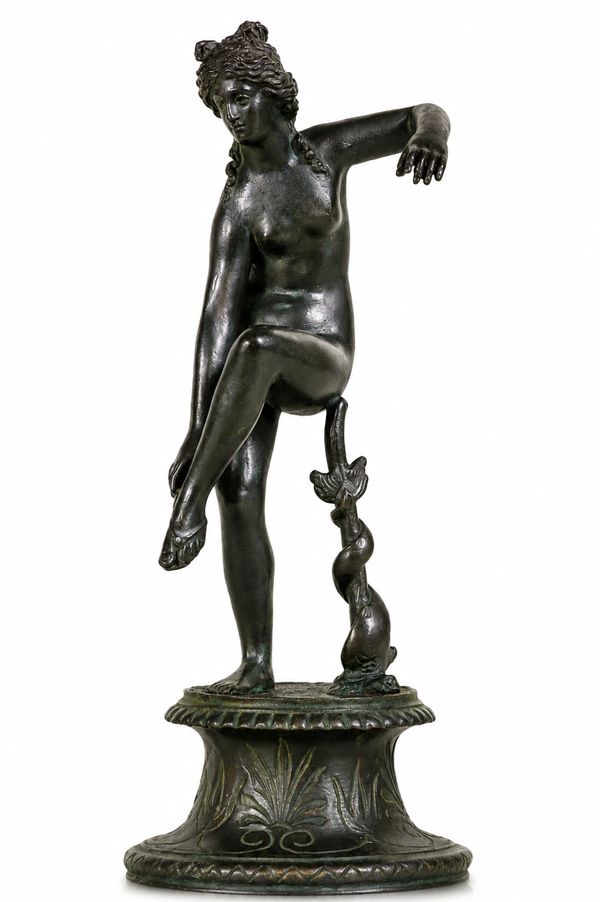
A finely detailed, seven-inch Grand Tour bronze depicting Venus gracefully removing her sandal. Dating to the late nineteenth century, its ornamented classical base bears the inscription “Giorgio Sommer, Napoli,” associating the work with the celebrated Neapolitan foundry.
The Ram — Italian Grand Tour Bronze
%20Ram.png/:/cr=t:3.69%25,l:0%25,w:96.31%25,h:96.31%25/rs=w:600,cg:true,m)
A finely modeled Italian Grand Tour bronze depicting the head of a ram, with richly textured surfaces and traces of gilding. Mounted on a variegated marble base, the sculpture reflects the enduring fascination with classical animal imagery and the decorative arts of the Grand Tour tradition.